Boat excursion Li Galli archipelago
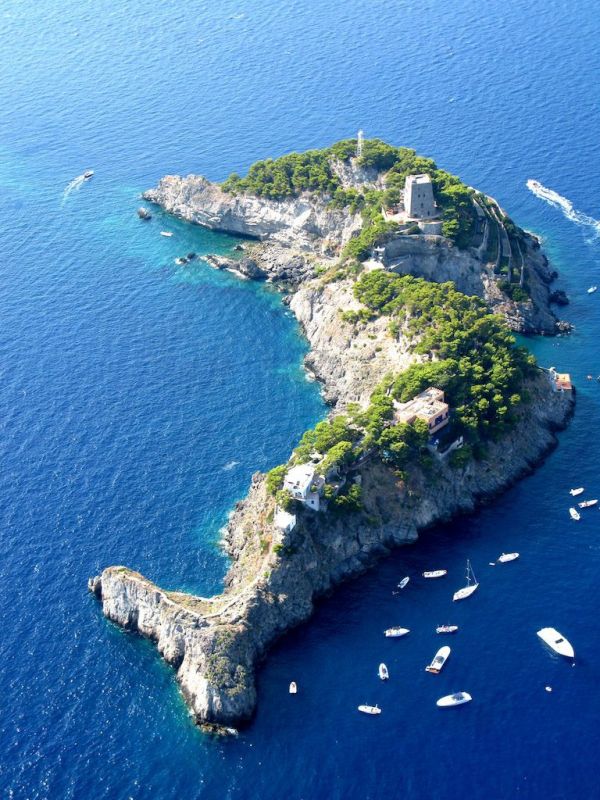
Boat excursion Li Galli archipelago
The Amalfi Coast is one of the pearls of Italy, appreciated by tourists from all over the world. However, it must be visited by motorboat to enjoy entirely the naturalistic landscapes not found elsewhere and which leaves breathless anyone who is about to see Li Galli Archipelago.
Famous in the years’ of sweet life, a destination for noble and elite tourism, the Coast retains its unparalleled charm and is a place to see at least once in a lifetime. In fact, it offers a gorgeous rocky landscape, with houses that seem to fall into the sea and are full of colors: a daydream.
By renting a boat, it will be possible to enter the meanderings of this territory and discover one of the many fabulous destinations in the area.
Where is Li Galli archipelago
Li Galli is an archipelago belonging to the municipality of Positano.
Gallo Lungo is the largest and has been inhabited since Roman times: it has an elongated shape that extends for about 400 m with a variable width which towards the center is about 100 m and towards the ” head” is about 200 m.
To the west of Gallo Lungo are La Rotonda and Dei Briganti. To the north of the Rotonda, the last name reported on the website of the municipality of Positano. However, the island is commonly indicated in texts with Castelluccio (or sometimes La Castelluccia ).
Ancient history
It is believed that the name Li Galli derives from the iconography of the sirens in ancient Greek figurative art, in which half woman and half bird are imagined: the “Greek” sirens, therefore, should not be confused with the sirens half woman and half fish of the popular imagination, fueled by many films and cartoons.
The most immediate combination that can be made with the “feathered” sirens is, therefore, that of the hen or the rooster: the name Li Galli is still used today.
In 1225 Frederick II of Swabia donated the three islands to the monastery of Positano, naming them”three Sirens, which is called Gallus.”
This archipelago had already attracted the attention of the emperor Tiberius who hoped hear the sirens’ song. With the end of the Roman empire first became an ideal place for hermits. Then it become a fortress in the period from the Angevins up to the second half of the nineteenth century. At the end of the 19th century and the beginning of the 20th however, the archipelago remained in its natural state frequented by quail hunters.
Modern history
Li Galli has always exercised a great charm, so much so that many famous people coveted it. In 1924 the Russian choreographer and dancer Leonid Fëdorovič Mjasin bought the archipelago, having a magnificent villa built on those ruins, which the architect Le Corbusier further embellished.
The property then passed to another famous Russian dancer, Rudolf Nureyev, who bought it in 1989: shortly after he died in 1993, the archipelago passed into the hands of other private individuals.
The archipelago is part of the Marine Protected Area of Punta Campanella.
On board one rental boat for the holidays, during the tour of the Li Galli archipelago, you can taste the local delicacies, such as spaghetti with anchovy sauce or spaghetti with zucchini, or mozzarella in lemon leaf.
Typical dishes of the Amalfi Coast delight even the most demanding palates.
How to visit Li Galli archipelago
A destination full of charm, between Positano and Capri. It is between the most glamorous destinations in Italy, almost a place intact and where human intervention has so far been limited. A pearl in the Mediterranean to be discovered.
The protected area, easily accessible by boat, is one romantic and evocative destination. A place perfect for stopping for a regenerating break, taking a bath or savoring typical dishes; a journey into an enchanted and magical nature, full of traditions and with a mythology that fascinates and captivates.
Renting a boat excursion around Li Galli is the only way to visit this gem that rises in front of the urban nucleus of Positano. Perfect for visiting during the summer to enjoy all the fabulous colors that nature offers.